



It’s no secret that programmatic trading has surged in popularity across Britain, shifting from a niche developer tool into something many traders now view as a natural upgrade from standard, point-and-click platforms. As market conditions become faster and more competitive, traders increasingly seek tools that offer stronger execution, greater automation, and smoother integration with the services they already rely on. Direct trading infrastructure delivers these advantages in a way traditional interfaces often struggle to match. This guide explains why this type of trading is becoming common among British users, how it works, and how it fits within the country's regulatory environment.

What an API-First Crypto Trading Platform Actually Is
Most retail users still place orders by interacting with visual charts and buttons. Still, many modern platforms are designed so that their primary functionality runs through a structured, machine-readable connection. This enables strategies, dashboards, and tools to communicate directly with the exchange's engine, eliminating the need for manual clicks. In practice, this kind of integration enables strategies to send orders in milliseconds, portfolio trackers to update automatically, and rule-based systems to react instantly to market conditions. The familiar interface still exists, but it operates on top of a much more capable execution layer.
Why This Matters for British Crypto Traders
People trading in this market often juggle work, different time zones, and quickly shifting conditions. The responsiveness of their tools, therefore, plays a direct role in performance. Low-latency systems help reduce the delay between a decision and its execution, which can be essential during rapid price movements. Execution layers designed for machine-to-engine interaction typically handle heavy order flow more reliably than consumer-facing interfaces.
Stability is another significant advantage. When markets become busy, a visual interface may lag or freeze, while a direct connection continues functioning because it avoids components that depend on rendering charts or loading interface elements. For traders who value precision, this consistency is a notable improvement.
Automation is becoming more common among British users as well: Many rely on semi-automated systems to adjust positions during work hours, respond to global events overnight, or enforce their strategies through predefined rules. These tools operate on top of the underlying execution engine, giving everyday traders capabilities previously associated with professional setups.
Regulatory Factors Shaping Adoption
Domestic oversight continues to influence how traders choose platforms. Firms supervised by the Financial Conduct Authority must meet strict operational requirements and maintain transparent reporting. Direct trading infrastructure supports these expectations by offering predictable behaviour, consistent audit trails, and reliable data output, all of which are useful for traders, even if they never touch technical settings.
British traders also tend to work across a mixture of regional and international exchanges. This allows them to pair convenient local payment options with deeper global liquidity. Combining data and order flow from different venues is far easier when everything is connected into a single dashboard or strategy, rather than relying on manual switching.
Tax reporting is another motivator. HMRC requires detailed records of disposals and transfers. Automated data syncing helps reduce manual errors and eliminates the need to export spreadsheets from multiple accounts repeatedly.

The Ecosystem Surrounding Modern Execution Systems
The strength of these platforms lies not only in their core trading engine but also in the ecosystem that supports it. Clear documentation helps users understand essential functions, even if they never plan to code. Many platforms offer practice environments that enable traders to test strategies using simulated balances before committing real funds.
A growing number of analytical tools can now connect directly to execution layers, enabling traders to link their market analysis with automated execution. For example, some British traders analyse charts in TradingView and then feed signals from that environment into their execution setup. This creates a smoother workflow where analysis and action move through the same automated pipeline, reducing delays that often occur when switching between interfaces.
Communities building dashboards, strategy templates, and automation tools continue to expand, giving both technical and non-technical traders access to increasingly sophisticated workflows.
Do You Need Technical Experience?
While advanced users may build their own scripts, most British traders rely on off-the-shelf tools that sit on top of the execution layer. These include drag-and-drop automators, position dashboards, portfolio management tools, or simple rule engines that trigger actions automatically.
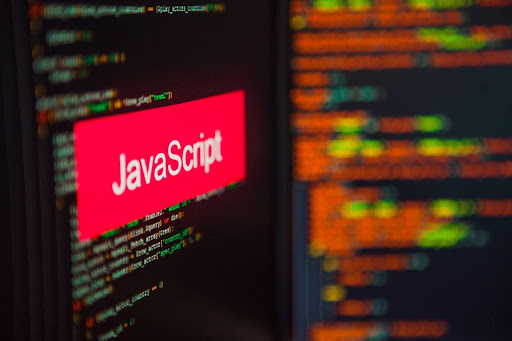
If a trader decides to learn scripting later, languages such as Python or JavaScript are widely supported. However, for most users, the value lies in the improved reliability and efficiency offered by modern trading infrastructure, not in becoming a programmer.
Risks To Understand When Using Advanced Systems
Powerful tools require careful handling. Automation can lead to unexpected trades if rules or settings are misconfigured. Technical issues such as incorrect key permissions or rate limits can interrupt execution. Direct trading tools can also send orders faster than expected, which can amplify errors.
Traders can mitigate these risks by utilising practice environments, starting with modest allocations, and restricting access to sensitive permissions. Selecting a platform with strong documentation, stable infrastructure, and precise alignment with domestic regulatory expectations also helps ensure reliability.
How Programmatic Trading Compares to Standard Retail Interfaces
Traditional interfaces are designed for simplicity, but they may become restrictive as a trader’s needs evolve. Direct-integration systems offer faster execution, greater flexibility, and more stable performance during intense market conditions. They also simplify multi-exchange setups and automated tracking, which is helpful for long-term record-keeping and tax preparation.
Consumer interfaces remain ideal for beginners or occasional traders. However, those seeking more control over execution speed, automation, and risk management often find that a programmatic workflow becomes the natural progression.
API-First Crypto Takes the Lead in the UK
Modern trading infrastructure is gaining traction across the region because it supports the kind of trading many contemporary crypto users value: speed, reliability, automation, and seamless integration with essential analytical tools. Direct, programmatic access allows strategies to operate with greater consistency and responsiveness than manual interfaces can provide. As regulation evolves and tooling becomes more accessible, structured execution pipelines are increasingly becoming the preferred choice for traders who want professional-level capability without unnecessary complexity. If your current interface feels restrictive or struggles during busy market moments, exploring a more integrated, automation-ready execution system may help you build a more efficient and resilient trading approach that supports your long-term goals.
 usdt
usdt bnb
bnb